Gardening Services in Shortlands
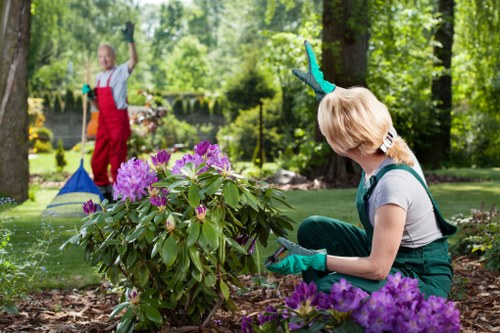
Gardening Services in Shortlands should make outdoor spaces easier to manage, neater to use and better matched to the way people live. Our work covers practical garden care rather than one-off flourish: regular maintenance, tidy-up visits, hedge trimming, lawn mowing, garden clearance, tree lopping and removal, decking services, landscape gardening and landscaping. The aim is straightforward and commercial, with a focus on keeping the garden under control and shaping it so it functions well through the seasons.
If you are comparing options, it helps to start with the condition of the site and the outcome you want. A lawn may need a simple mowing schedule, a hedge might need selective cutting rather than an aggressive reduction, and an overgrown plot may call for clearance before any planting or hard landscaping can begin. We can support both routine care and heavier tasks, so the service can be matched to the garden rather than forced into one fixed approach. Practical upkeep often prevents bigger jobs later.
To request a quotation, note the main tasks you want completed, the rough size of the area and whether access is straightforward. A short description is usually enough to begin, and you can then refine the details if needed. If you already know that you want a recurring visit or a single visit, say so in your enquiry. Ask for a quote when you are ready and we can discuss the most suitable scope.
Regular garden maintenance and tidy-up work
Routine garden maintenance is often the simplest way to keep boundaries, beds and lawns in usable condition. It may include clearing light debris, keeping growth in check, edging where appropriate and restoring general order after a period of neglect. This kind of work is usually more efficient when the garden is looked at as a whole rather than as separate small tasks, because it is easier to see what needs attention before it becomes a larger problem.
Our garden maintenance service can suit properties that need steady attention rather than a full redesign. It is useful where the layout already works but the planting, grass and edges need consistent care to stay presentable. For many customers, the key decision is whether the garden needs a maintenance visit, a clearance visit or a combination of both, especially if the outside space has been left alone for a while.
When planning work, it helps to think about what matters most: appearance, access, safety or long-term manageability. A neat front garden may call for a different level of attention from a larger rear space with deeper planting, raised beds or older features. If you want to keep things simple, start with the areas that cause the most frustration and build the rest of the work around them. That approach usually gives the clearest quotation and the best use of time.
Lawn care, hedge cutting and visible structure
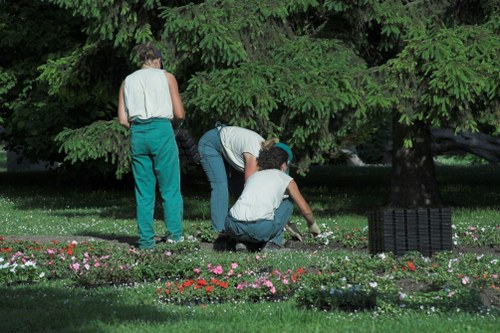
Lawns and hedges tend to define the appearance of a garden more than almost anything else. A lawn that is cut too infrequently can look uneven and can become harder to manage, while hedges that are left unchecked may spread into paths, boundaries and neighbouring planting. The right service depends on the shape of the garden, the growth rate and the finish you want. Some spaces need a light tidy-up; others benefit from a stronger reset.
For grass care, our lawn-mowing page covers the kind of work that keeps lawns consistent and easier to maintain over time. For boundary growth, hedge-trimming is useful where lines, height and thickness need bringing back into order without changing the whole character of the garden. These services can be combined when the lawn and hedges affect each other visually, which is common in smaller or more enclosed outside spaces.
If you are deciding between mowing only and a broader tidy-up, think about how the rest of the garden will look once the grass is cut. Often the edges, stray shoots and overhanging branches are what make a space feel untidy even when the lawn itself is fine. A sensible brief keeps the work focused. Clear boundaries, trimmed growth and a tidy finish tend to make the biggest difference.
Garden clearance and larger overgrown areas
Sometimes a garden needs more than maintenance. Clearing a neglected plot, removing accumulated waste and dealing with heavy overgrowth can open the space up so that it becomes workable again. This sort of task may involve removing bramble, cutting back tangled vegetation, collecting loose material and dealing with areas that prevent normal access. The purpose is to get the garden back to a state where regular care or further improvement is practical.
Our garden clearance service is suited to spaces that have built up layers of debris, cuttings or unmanaged growth. It may be the right first step before landscaping, new planting or simply a return to routine maintenance. A clear brief is useful here because gardens vary widely: one customer may need a light clearance, while another may need a much fuller reset. The quotation should reflect that difference.
Where a garden has become difficult to move through, it can help to identify the priority areas first, such as paths, gates, seating spaces or access to sheds. That way the work can restore the most useful parts of the garden before attention turns to the rest. If you need a quote, tell us whether the job is mainly clearance, cutting back or preparation for a later stage of work. That gives a stronger basis for estimating the scope.
Tree lopping, removal and managing established growth
Established trees can be a valuable part of a garden, but they can also create shading, crowding and access issues if growth is left unchecked. Tree work needs to be approached carefully because the right intervention depends on the size of the tree, the condition of the branches, the position of nearby structures and the overall aim of the job. In some cases, the best result is selective reduction; in others, removal may be the more suitable option.
Our tree lopping and removal service is there for situations where branches have become too heavy, the canopy needs reducing or a tree is no longer serving the garden well. It can be combined with clearance or follow-on maintenance so that the area is left easier to manage. We avoid overstating what is needed: the point is to match the work to the tree and the site, not to treat every job the same.
When a tree is close to boundaries, sheds, fences or planted beds, planning matters as much as the cutting itself. Think about what should remain in place, whether the branches are interfering with light or access, and if the surrounding area needs tidying once the work is complete. A sensible enquiry includes those details, because they affect the method and the time needed. Good tree work begins with a clear view of the site.
Landscaping and reshaping the garden

Landscaping is the point where a garden moves beyond simple care and into planned change. It can involve rearranging levels, introducing new planting areas, improving access, defining boundaries or altering the way the space is used. Some customers want a modest refresh; others need a full reshaping after years of piecemeal adjustments. The best results usually come from understanding how the garden is used now and what needs to improve next.
Our landscape gardening service is suitable where planting, layout and practical features need to work together. For more structural changes, landscaping covers the broader process of improving the garden’s form and function, whether that means new surfaces, revised borders or a different overall layout. These services are often chosen when regular maintenance alone will not solve the underlying problems.
A good landscaping brief should describe the areas you want to keep, the parts you want to change and any features that must remain accessible. If there is an awkward slope, a worn boundary or an area that does not drain or flow well, that information helps shape the work. It also helps to separate aesthetic preferences from practical requirements, because the quotation and the sequence of work both depend on that distinction. In short, shape and use should be planned together.
Decking and practical outdoor surfaces
Decking can make a garden more usable when the aim is to create a defined surface for sitting, stepping or moving between areas. It may be used as a simple platform, part of a wider seating area or a link between the house and the rest of the garden. The design needs to suit the available space, the surrounding levels and the way the surface will be used day to day. Appearance matters, but so does stability and ease of upkeep.
Our decking services are relevant when you want a new deck, replacement work or improvements to an existing structure. Decking is often easiest to evaluate alongside other garden features, especially where planting beds, access routes or boundary lines affect the final shape. A well-planned surface can help organise the whole garden, but only if it is sized and positioned with the rest of the space in mind.
If you are considering decking, it is worth thinking about the relationship between the hard surface and the softer parts of the garden. A deck can feel too dominant if it takes over the full space, while a smaller feature may be enough to define a useful area without overcomplicating the layout. The right quotation depends on the intended scale, materials and surrounding work, so a short description of the current arrangement is useful when you enquire. Tell us what the surface needs to do and the scope becomes much clearer.
How to prepare a clear quotation request

A useful quote starts with enough practical detail to identify the work, not with a long explanation of the whole garden history. If you can describe the main job, the rough size of the area and any particular constraints, that is usually enough to begin. It also helps to say whether you want a one-off job, a short programme of work or a continuing service. That sets the tone for the quotation and reduces avoidable back-and-forth.
For straightforward pricing discussions, our pricing and quotes page is the right place to start. It is sensible to compare options on the same basis, especially where one service is a recurring visit and another is a larger project with different stages. A transparent request should mention access, any heavy lifting, and whether waste needs to be removed as part of the job. Those details matter because they affect the time and resources required.
There is no need to overcomplicate the enquiry. A simple description, a few notes on access and a clear idea of the result you want will usually be enough. If you have pictures or measurements, they can help, but the most important thing is to explain the actual task. Keep the request focused and you are more likely to receive a quotation that matches the work properly.
What affects the scope of garden work
Garden projects vary because every site has different growth, access and existing features. A quoted job may change in scale depending on whether material needs to be removed, how dense the overgrowth is, whether hard surfaces must be protected and how much detail is involved in the finish. Even within one broad service, there can be a large difference between a light tidy-up and a more involved restoration of the same space.
One practical way to judge the scope is to separate the work into visible tasks. For example: cutting, collecting, lifting, moving, reducing, shaping and tidying. That approach makes it easier to identify what belongs in the main job and what might be better handled later. It also helps when deciding whether to combine services or keep them separate, which can matter if you want the garden returned to use quickly rather than rebuilt all at once.
If you are unsure how to phrase the request, simply describe what is getting in the way. Is it grass, hedges, branches, debris, tired surfaces or an awkward layout? That tells us a lot about the work. A brief list can be enough: one or two main aims, the area involved and any deadline or access issue that should be taken into account. Then the quotation can be tailored without guesswork.
About Shortlands
Shortlands is a suburb in the London Borough of Bromley, in south-east London, sitting on higher ground between Bromley to the south and Beckenham to the north-west. The area developed significantly with the spread of the railways in the nineteenth century, and the station remains one of its best-known features. Local streets contain a mix of residential development, including detached and semi-detached houses, with quieter lanes and cul-de-sacs that reflect later suburban planning as well as earlier building patterns. The name is strongly associated with the valley and the wider landscape of the River Ravensbourne, which runs through this part of south-east London before continuing northwards. While the immediate centre is modest, Shortlands connects easily with nearby Bromley town centre, giving it a position that is both residential and practical. The area includes local churches, schools and everyday shopping routes, and its character is shaped more by settled neighbourhood life than by large commercial districts. Green space is important here too, with access to parks and open areas within the surrounding borough, and the tree-lined streets contribute to the sense of a mature suburb. As with many parts of Bromley, the built environment mixes late Victorian and twentieth-century housing with later infill, so the local scene is varied without feeling overdeveloped. That balance of rail access, suburban housing and nearby urban amenities has helped Shortlands retain a calm residential identity while remaining closely tied to the wider London borough around it.
Choosing the right combination of services

Not every garden needs a full-scale project, and not every problem should be handled as if it were only a maintenance visit. Often the best result comes from combining the right elements: a clearance before new planting, mowing alongside hedge trimming, or landscaping after a neglected area has been made accessible again. That approach keeps the work efficient and prevents each task from being treated in isolation when the garden itself is interconnected.
If you are weighing up the next step, it can help to think in terms of the garden’s current condition and its intended use. A family space may need safer movement and a tidier layout, while a more decorative garden may need better structure and cleaner boundaries. Our service pages for services overview and contact us can help you choose the starting point that fits your plans, and the final step is to request a quotation based on the work you actually want done.
Send a clear request for a quote when you are ready, and include the main job, the size of the area and any extra details that affect access or waste removal. If you would prefer to keep it simple, a short message is fine. We can then respond with a quote that reflects the scope you have in mind rather than an assumed standard package. Ask for your quotation today.